Tech
Zoetrope
A mechanical light art sculpture combining 3D-printed phyllotactic geometry with precision motor control and stroboscopic illumination to create mesmerizing kinetic optical illusions.
A zoetrope makes inanimate objects animate in the mind of the observer. This object is spinning fast — but because of the lights I designed and the precise way I control the interaction between illumination and motion, it appears to come to life.
The form exploits phyllotaxis: the mathematical principle that governs the arrangement of sunflower seeds, artichoke petals, and pinecone spirals. I'm not the first to use phyllotaxis in a zoetrope, but I set out to refine it — to present it in an exceptionally polished way.
I wrote a parametric software program that generates these geometries, engineered intentionally to work not only with human vision but with cell phone video cameras. In these times, people see the world as much through their phones as through their eyes — as Susan Sontag predicted in her writing on photography. The form was optimized for both.
This is the first of a series of zoetropes intended for galleries and private collections.
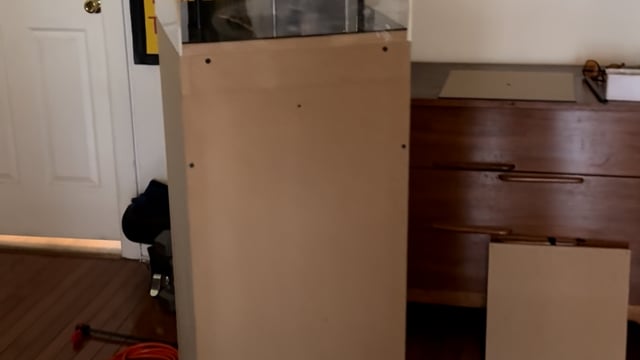
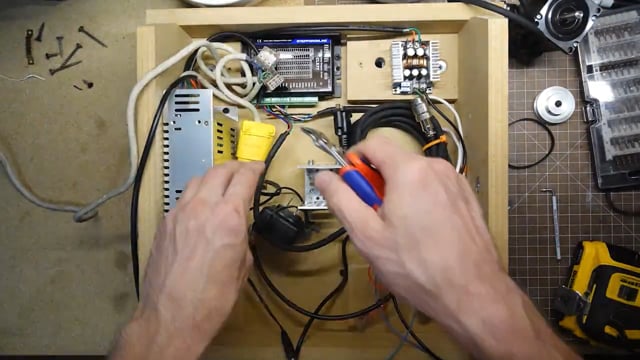
Making Of


3D print timelapse
Interested in this work?
Inquire